

Garment Repair Workshop London – Join Me at CHEEKY LONDON 25
I, The Ethical Tailor, invite you to slow down and stitch with purpose. Hosted in London, this garment repair workshop is part of CHEEKY LONDON 25.
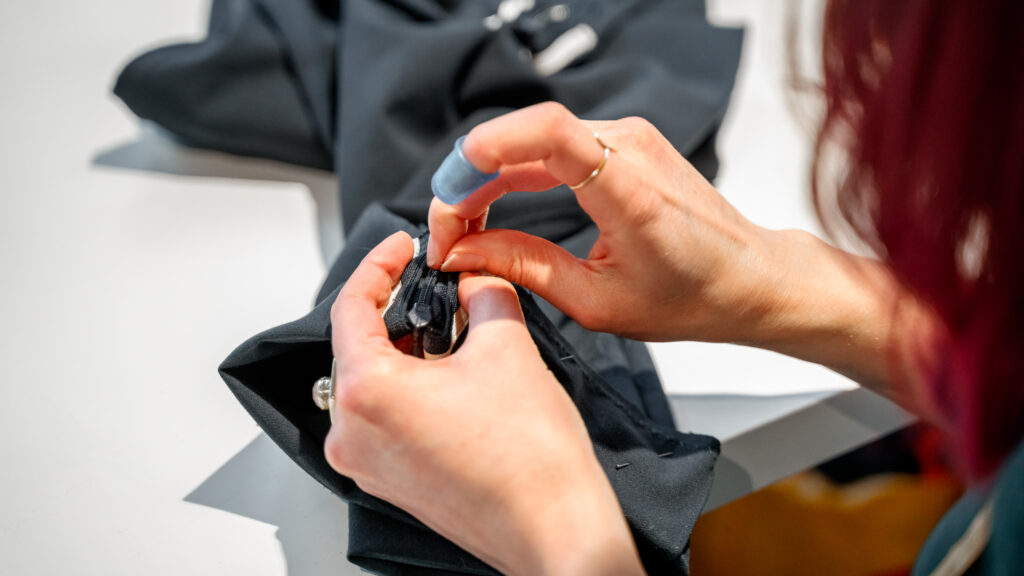
This Recycle Week, I’ve been thinking a lot about what it really means to rewear and repair — and why those actions matter more than recycling alone.
I came across a post by EcoAge that really made me pause. It laid out some uncomfortable truths about the fashion industry — and why recycling alone isn’t enough.
Here are a few points that stuck with me:
It’s overwhelming, isn’t it? But it’s also a reminder of why I do what I do.
Recycling has its place, but it’s not the whole solution. Most of the clothes we wear — especially fast fashion — are made from blended fibres like polyester mixed with cotton or wool. These blends are hard to separate and often too poor in quality to recycle.
That’s why I focus on rewear and repair — because they’re practical, personal, and powerful.
Rewearing means making the most of what you already own. It’s about styling pieces differently, layering creatively, and embracing the stories stitched into your clothes.
Repairing is about care. It’s about slowing down, choosing to mend instead of discard, and learning the skills to make your wardrobe last.
For me, rewear and repair isn’t just a concept — it’s how I live and work. Here’s what that looks like:
These small choices add up. They help reduce waste, celebrate craftsmanship, and keep clothes in circulation — which is far more impactful than relying on recycling alone.
One brand I’ve been loving lately is Reskinned. They take old or damaged clothes and give them a second life — either by repairing them or transforming them into something new.
It’s a brilliant example of circular fashion in action. Instead of sending clothes to landfill, they’re creating a system where garments can be reused, reimagined, and revalued.
I think more brands should be doing this — and more of us should be supporting them.
I’d love to hear your story — feel free to message me or tag @theethicaltailor on Instagram. Let’s keep the conversation going.
If you’re inspired to start rewearing and repairing, I teach beginner-friendly classes at Moxie Craft in London.
🧵 Book a class here
Or if you’d rather have something professionally altered, you can see my full price list and services here:
Alterations & Bespoke Garments
Recycle Week reminded me that the most sustainable garment is the one you already own. Rewear and repair aren’t just sustainable — they’re creative, empowering, and deeply personal.
I’ve shared more thoughts in my YouTube video:
I, The Ethical Tailor, invite you to slow down and stitch with purpose. Hosted in London, this garment repair workshop is part of CHEEKY LONDON 25.

A big part of bespoke tailoring is knowing where to find the right materials — and for me, that means knowing the best fabric and
Fashion Revolution Week 2025 came and went in April — but if you’ve moved on, we haven’t. Because at Couchman:bespoke, the real work doesn’t begin
| Cookie | Duration | Description |
|---|---|---|
| cookielawinfo-checkbox-analytics | 11 months | This cookie is set by GDPR Cookie Consent plugin. The cookie is used to store the user consent for the cookies in the category "Analytics". |
| cookielawinfo-checkbox-functional | 11 months | The cookie is set by GDPR cookie consent to record the user consent for the cookies in the category "Functional". |
| cookielawinfo-checkbox-necessary | 11 months | This cookie is set by GDPR Cookie Consent plugin. The cookies is used to store the user consent for the cookies in the category "Necessary". |
| cookielawinfo-checkbox-others | 11 months | This cookie is set by GDPR Cookie Consent plugin. The cookie is used to store the user consent for the cookies in the category "Other. |
| cookielawinfo-checkbox-performance | 11 months | This cookie is set by GDPR Cookie Consent plugin. The cookie is used to store the user consent for the cookies in the category "Performance". |
| viewed_cookie_policy | 11 months | The cookie is set by the GDPR Cookie Consent plugin and is used to store whether or not user has consented to the use of cookies. It does not store any personal data. |